NG MUI
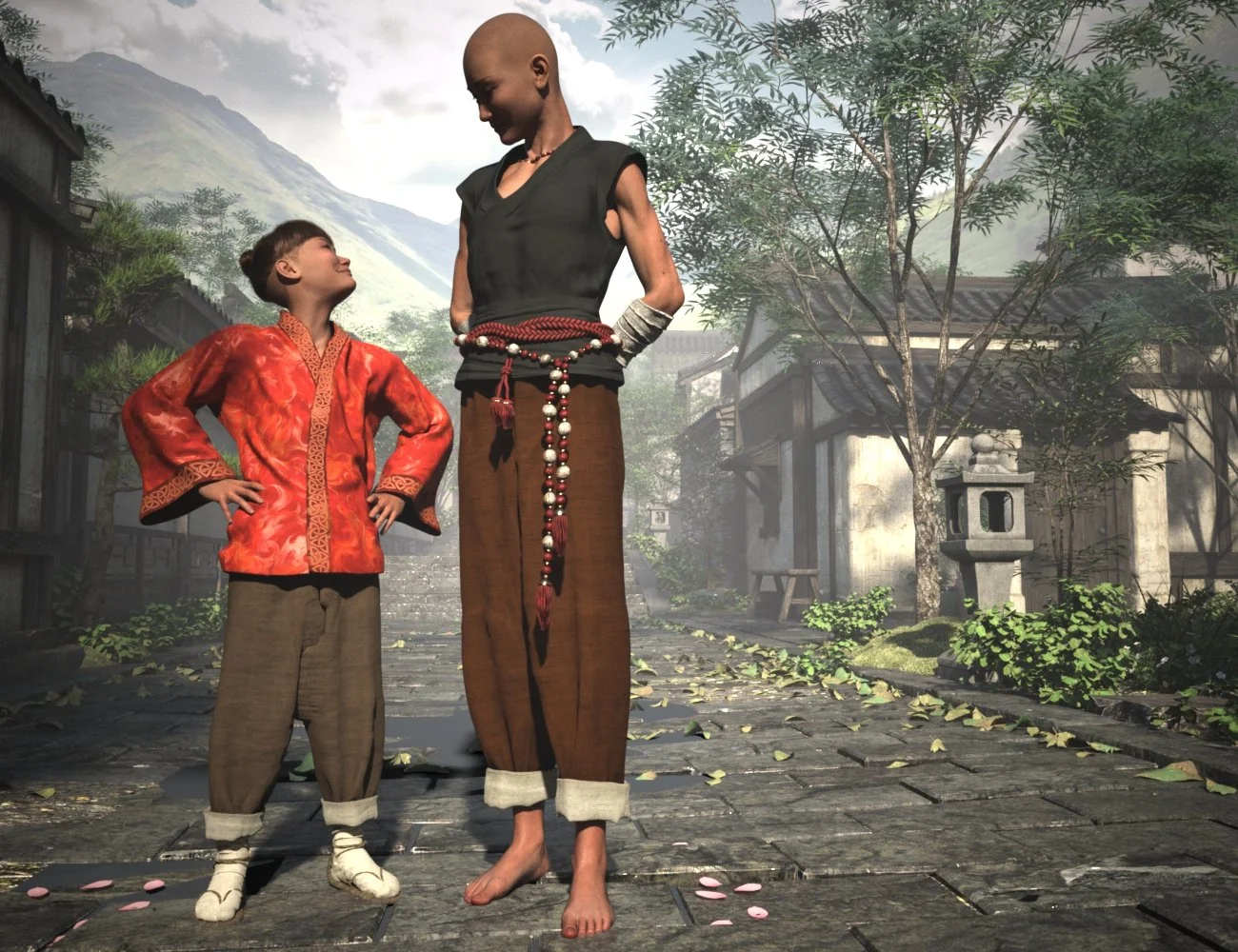
My mother once told me that a river does not become powerful because it fights the mountain, but because it endures long enough to carve a path through stone. As a child, I believed wisdom was found in books, in temples, or in the words of learned elders. I would spend many years discovering that wisdom often arrives disguised as loss, and that Heaven’s harshest lessons rarely announce themselves before they are taught. The old philosophers said that when the winds of change blow, some build walls while others build windmills, yet there are times when neither can save what fate has already chosen to test. Looking back now, I can see that my life was shaped long before I understood the forces moving around me, like a leaf floating upon a river whose current remains hidden beneath the surface. There were signs, of course. Small cracks beneath polished appearances, shadows gathering at the edges of seemingly ordinary days. But youth has a talent for mistaking temporary peace for permanence. The bamboo bends and survives the storm while the mighty tree resists and breaks; I would learn the truth of that lesson in ways I could never have imagined. Before I became the person history remembers, before hardship stripped away every certainty I possessed, I was simply a daughter born into a world standing upon the edge of transformation. This is the story of how that world vanished, and of what emerged from its ashes.
I was born in the fourteenth year of the Shunzhi Emperor’s reign, in the cyclical year of the Fire Monkey, in Fujian Province, where the mountains met the sea and the scent of salt often mingled with the smoke of distant fires. My name is Ng Mui, and though I entered this world within the walls of a prosperous military household, I learned very early that wealth could not keep chaos beyond the gates forever. My father commanded respect throughout the region, a stern man whose words were few and whose standards were high, yet there was kindness beneath his hard exterior that revealed itself only in quiet moments. He taught me that discipline without compassion became cruelty, and compassion without discipline became weakness. My mother possessed a different strength. While many women of her station concerned themselves solely with household affairs, she believed that knowledge was a weapon every bit as valuable as a sword. Under her guidance I learned calligraphy, classical texts, household management, poetry, local history, and the imperial edicts that governed the realm. She insisted that understanding the world was the first step toward surviving it. While servants prepared meals, managed storehouses, tended livestock, and oversaw the family lands, she often sat with me beneath covered walkways or in shaded courtyards, explaining matters of governance and human nature. My two older brothers received far more martial instruction than I did, but my father saw no harm in teaching me basic combat skills. At dawn I practiced footwork across packed earth courtyards while soldiers drilled nearby. I learned to hold a spear correctly, to strike with a staff, and to maintain balance on uneven ground. These lessons seemed almost like games to me then. I could not yet understand that every skill my parents placed into my hands was an attempt to prepare me for a future neither of them could control.
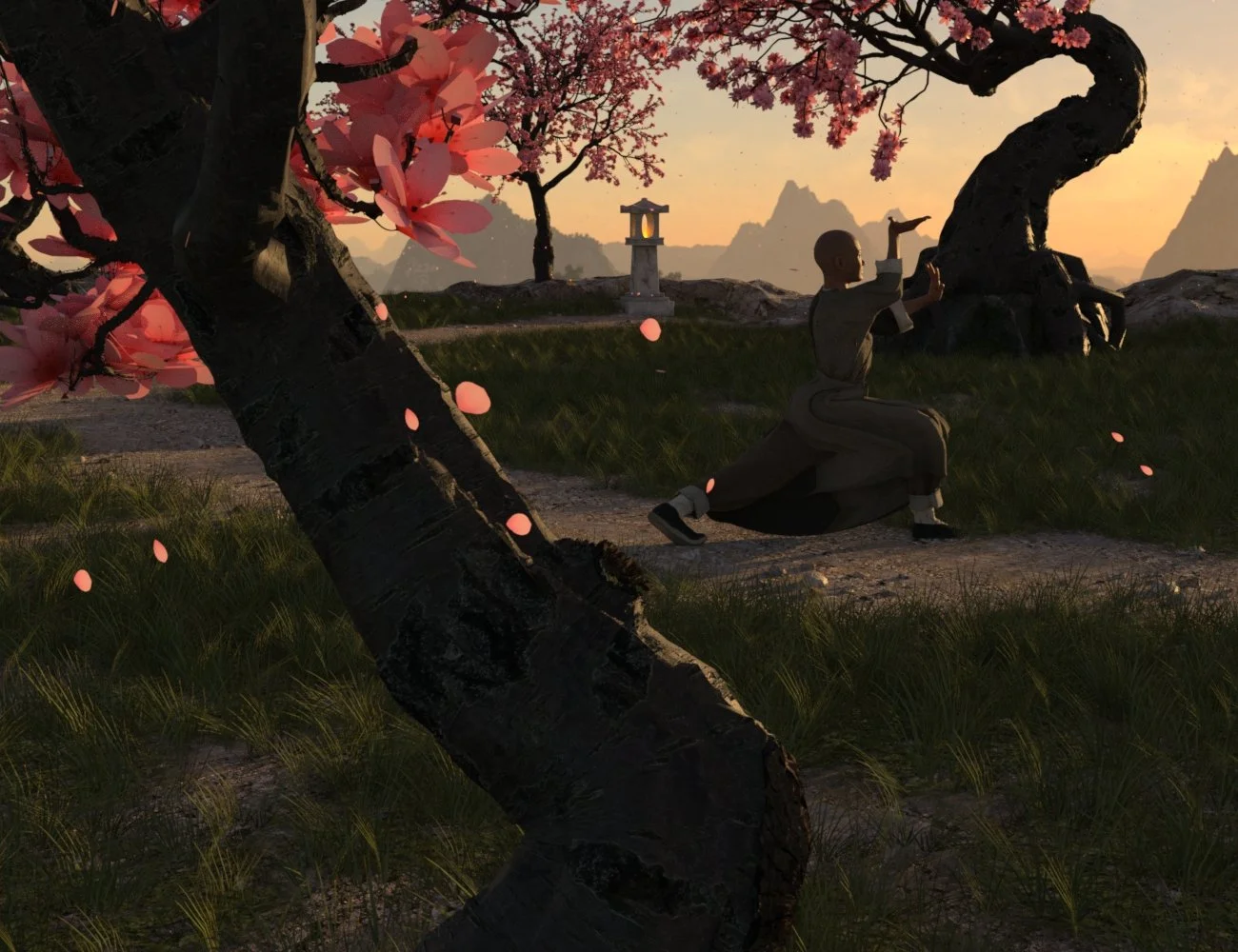
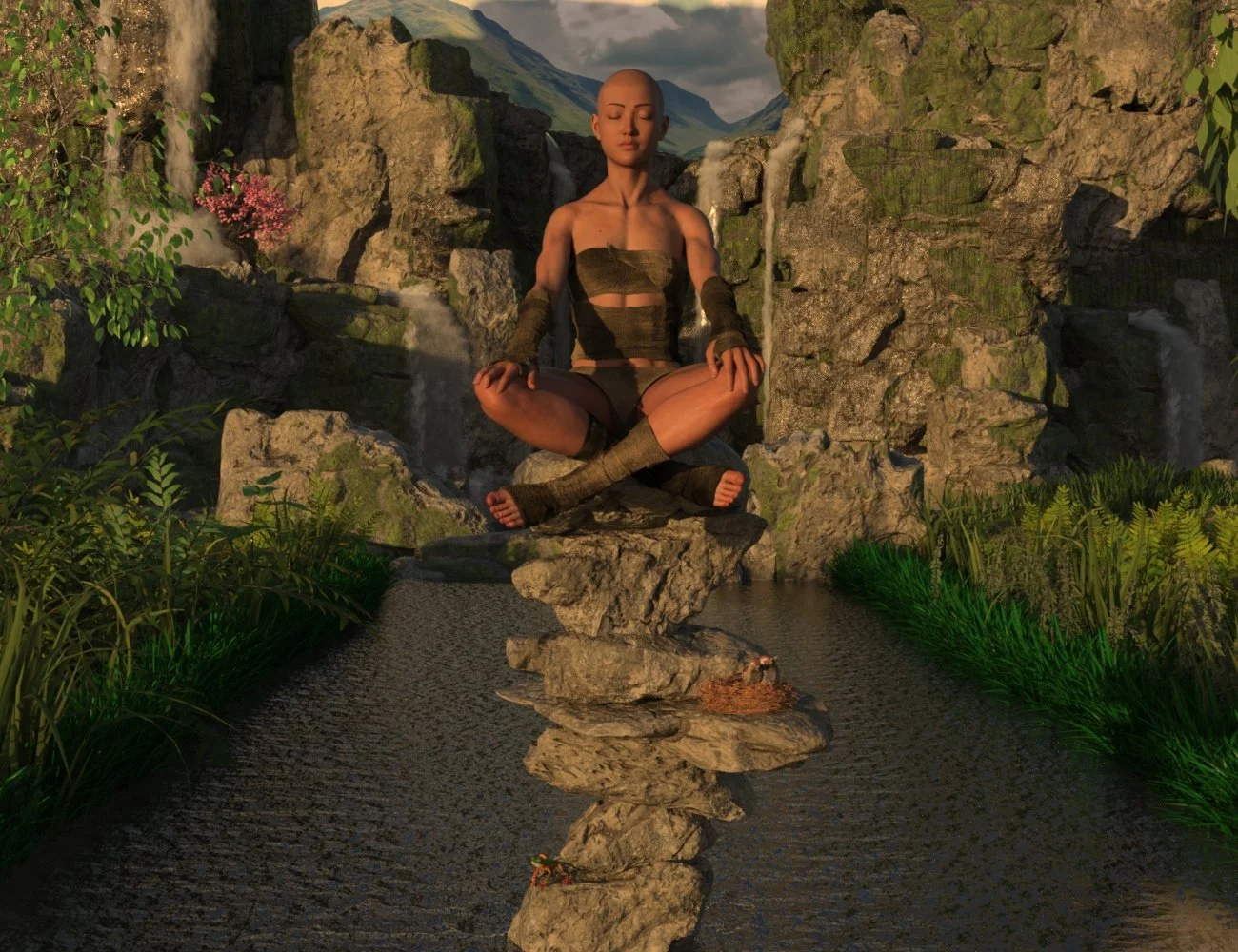
The province around us was suffering, even when our own table remained full. The empire that had raised generations before me was crumbling, and the new rulers advancing from the north brought uncertainty with every passing season. Refugees moved constantly along the roads, carrying what little remained of their lives on their backs. Some arrived at our gates seeking food, while others simply asked for directions to the next village that had not yet burned. I remember watching long lines of weary families winding through muddy roads after seasonal rains, their clothes torn, their faces hollow from hunger. Bandits preyed upon travelers, and entire settlements vanished beneath smoke and ash after raids or military reprisals. Disease spread quickly among crowded populations, and food shortages turned honest men desperate. Although my father publicly obeyed regional authorities and maintained the appearance of unwavering loyalty, our household often provided aid in secret. Rice disappeared from our storehouses and somehow found its way into the hands of displaced families. Medicines were quietly distributed through trusted servants. My mother organized assistance whenever she could, careful to ensure that no written record remained behind. Yet secrecy was necessary. In those years, generosity itself could become a crime if offered to the wrong people. I grew up hearing whispered conversations after sunset, voices lowered whenever servants approached. Even as a child I understood that the world beyond our walls operated according to rules far more dangerous than those written in official proclamations.
As I grew older, I began to understand the delicate balancing act that kept our family alive. Armed militias appeared one month seeking support, only to be hunted by government forces the next. Traveling monks passed through carrying scriptures in one hand and stories of distant conflicts in the other. Mercenary companies marched along trade routes, selling their loyalty to whoever could afford their blades. Wandering martial artists sometimes arrived seeking shelter for a night before continuing their journeys through the mountains. There were also rumors of secret anti-Qing societies meeting in hidden places, plotting resistance against the new dynasty. My father navigated these shifting currents with extraordinary caution. Sometimes he supplied provisions to a group moving through the region; other times he dispatched armed retainers to oppose them. Alliances changed rapidly, and survival often depended upon appearing useful to every side without belonging fully to any of them. By then both of my brothers had already marched away to join military campaigns. They left wearing armor polished bright beneath the morning sun, promising to return victorious. Neither did. The news arrived months apart, delivered by exhausted riders carrying sealed messages. My mother received each report with quiet dignity, though I often heard her weeping behind closed doors long after the household had fallen asleep. My father’s hair seemed to gray almost overnight. Their deaths transformed the atmosphere within our home. Conversations became shorter. Laughter became rare. The training my father provided me grew more serious, as though some part of him feared he was running out of time.
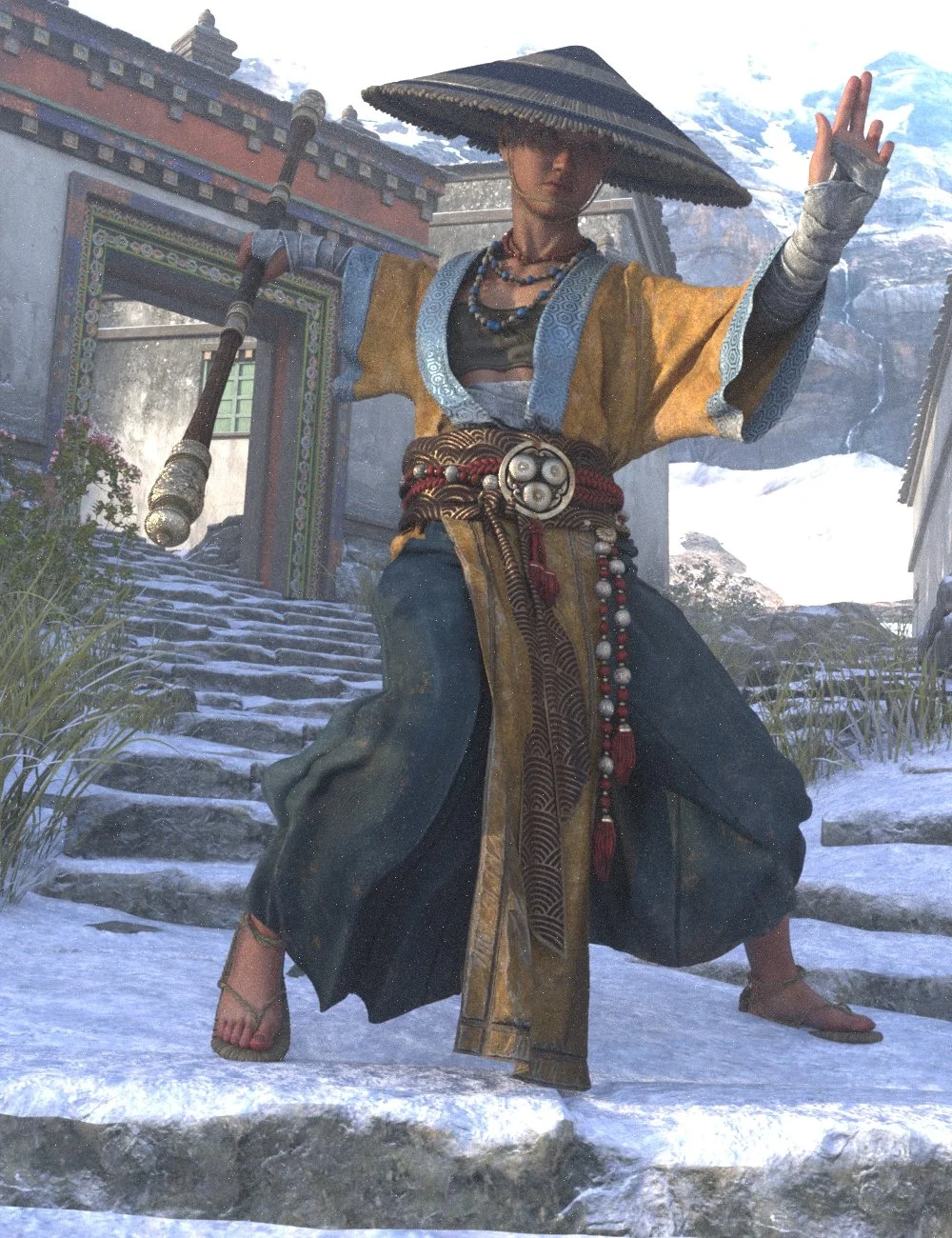
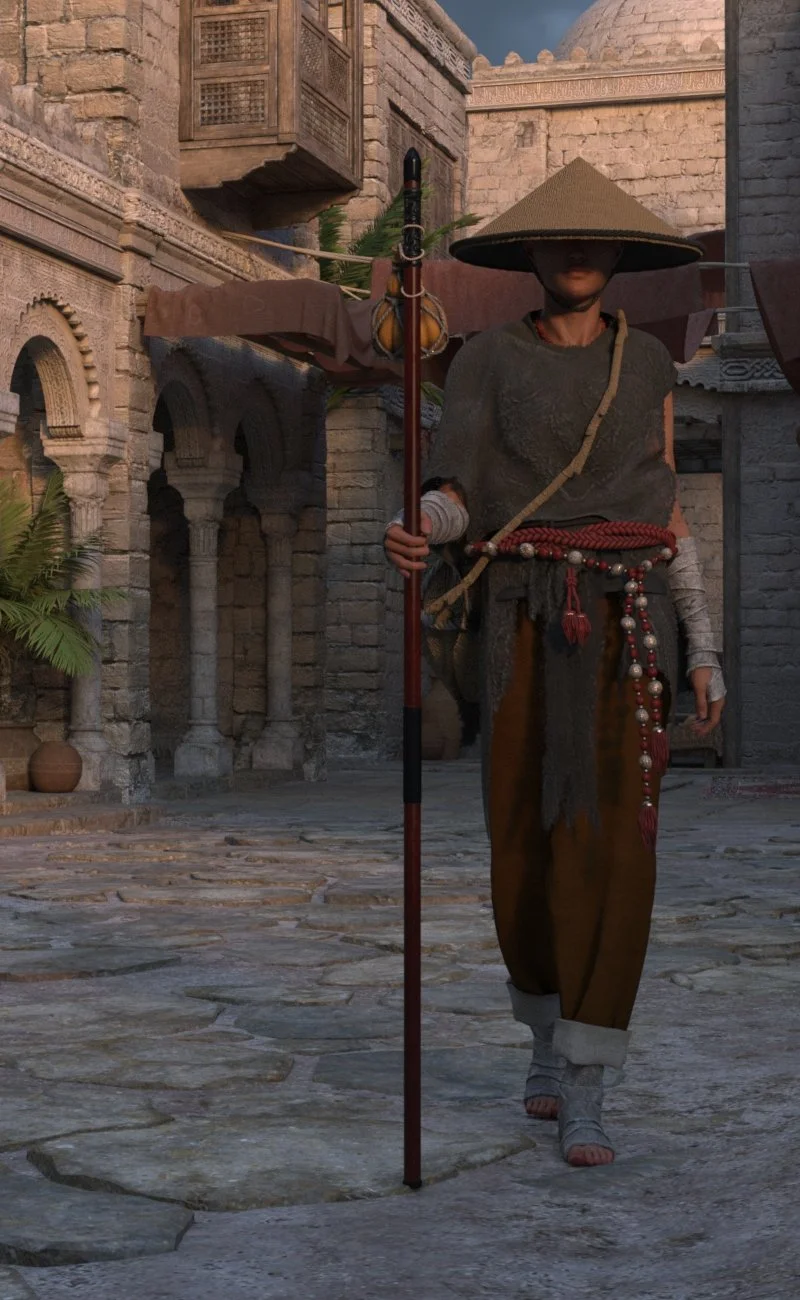
Eventually the storm we had spent years avoiding arrived at our doorstep. The betrayal came not from distant enemies but from men who had once stood watch at our gates. Traders who operated within our protection network conspired with an armed militia, providing information about our defenses, schedules, and vulnerabilities. I remember the night with painful clarity. The air smelled of rain, and most of the household had already retired when shouting erupted beyond the outer walls. Bells rang. Dogs barked. Then came the unmistakable sounds of steel striking steel. Flames soon followed. I watched servants running through smoke-filled corridors carrying children, documents, and whatever valuables they could seize before the attackers reached them. My father armed himself and joined the defense without hesitation. My mother gathered me and several others toward an interior section of the compound while retainers attempted to hold strategic chokepoints. The battle raged for hours, but numbers eventually overwhelmed skill. One by one the defensive positions collapsed. I saw wounded guards dragged from their posts. I saw buildings catch fire. I saw neighbors and retainers I had known all my life fall beneath blades. When it became clear that the compound could not be saved, my aunt seized my arm and forced me toward a concealed route known only to a handful of family members. She ignored my protests, ignored my tears, and pushed me through darkness while chaos consumed everything behind us. We had almost escaped when armed men discovered our route. My aunt shoved me into a hiding place concealed among stonework and vegetation, ordering me to remain silent no matter what happened. I obeyed. Hidden from sight, I watched her make her final stand. She fought fiercely despite impossible odds, buying me precious moments with her life. When she finally fell, I pressed both hands over my mouth to keep from crying out. The attackers never discovered where I was hidden.
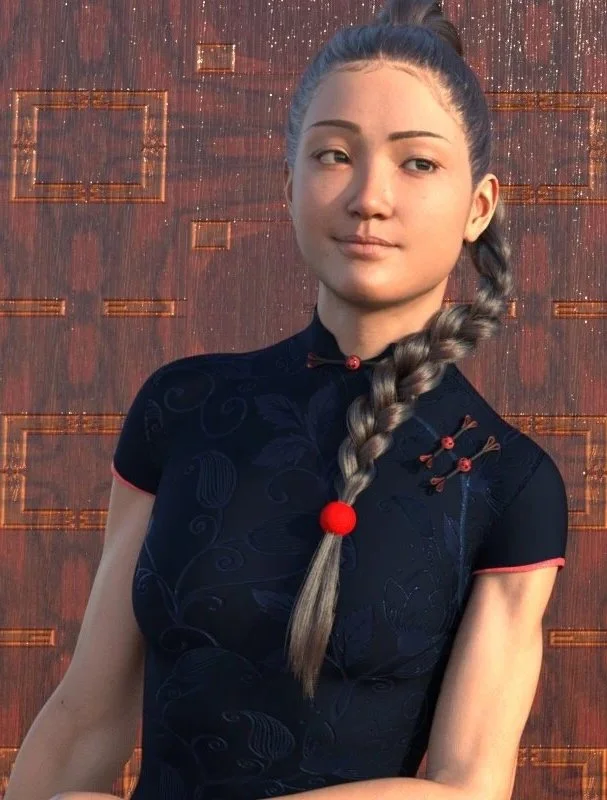
I remained concealed until silence replaced the sounds of killing. By the time I emerged, dawn was beginning to break over the ruined compound that had once been my home. Smoke drifted through blackened courtyards. Bodies lay where they had fallen. Everything that had defined my life; my parents, my brothers, my relatives, my household, my future, had vanished in a single night. I fled with little more than the clothing I wore, traveling along roads crowded with other displaced souls whose tragedies mirrored my own. Hunger, exhaustion, and grief became constant companions. Days blended together as I followed rumors of safety, sleeping beneath trees, abandoned structures, and roadside shelters. Eventually I reached a temporary refugee center operating from Kaiyuan Temple. The monks and attendants there had already seen more suffering than any person should witness in a lifetime. They offered food without demanding payment and shelter without demanding explanations. For the first time since the destruction of my family, I found a place where the noise inside my mind began to quiet. In the days that followed, I swept temple courtyards, carried water, assisted in kitchens, and helped care for newly arrived refugees. The routines were simple, yet they gave shape to a life that had been shattered. When I finally approached the senior monks and offered myself to the temple, I did so with complete certainty. The girl who had once belonged to a wealthy military family no longer existed. The fires that destroyed my home had burned that life away. I asked to dedicate myself fully to their path and to become a Wuseng, a fighting monk. After much consideration, they accepted. Standing within the temple grounds as that decision was made, I felt grief still lingering within me, but for the first time since my family’s death, I also felt something else taking root beside it: purpose.
The legendary figure Ng Mui is actually real, in a sense.
She occupies a rare place where history, folklore, and martial tradition converge into something larger than any single record can fully explain. While no definitive evidence has ever emerged to prove that she existed exactly as the legends describe, her presence has endured for centuries through the stories passed from teacher to student, generation after generation. According to tradition, she was a Buddhist nun associated with the Southern Shaolin Temple, a woman whose wisdom, discipline, and martial skill allowed her name to survive long after countless others were forgotten. Over time, she became woven into the foundations of several southern Chinese martial arts traditions. Some accounts remember her as the creator of Wing Chun, a system built upon efficiency, precision, and intelligence rather than brute force. Others place her at the origins of Dragon-style kung fu, portraying her as a master whose understanding of combat transcended conventional methods. Though the details of her life shift from one telling to the next, the image that emerges is remarkably consistent: a woman of uncommon ability who stood apart from the expectations of her era.
What fascinates me most about Ng Mui is not whether every story told about her is literally true, but rather the extraordinary legacy those stories have carried across centuries. She exists in that mysterious space where fact and legend intertwine so tightly that separating them becomes almost impossible. Each version of her life reveals something about the people who preserved her memory; monks, martial artists, storytellers, and students seeking wisdom in the past. The contradictions surrounding her only deepen her allure, transforming her from a simple historical figure into a living symbol of perseverance, knowledge, resilience, and transformation. Few figures in martial arts folklore have inspired as much admiration, debate, and imagination. It was this enduring presence. This remarkable woman who continues to stand at the crossroads of history and myth, that inspired the fictional vignette that I wrote (above). Rather than attempting to define who Ng Mui truly was, it seeks to honor the foundational spirit of the legend that has captivated generations and continues to echo through the centuries.
Side note: There are actually 2 movies that were made about her. Wing Chun (1994) and Kung Fu Wing Chun (2010).